

A reward chart gives kids a clear, visual way to see their progress toward a goal. Every sticker, star, or token is a small win, and the reward at the end gives them something to work toward.
Whether you’re working on potty training, bedtime, reading, or chores, there’s a reward chart template that fits.
Here are 12 printable reward chart templates for kids, what each one looks like, and when to use it!
How to Use a Reward Chart Template
- Pick one goal to start. A chart for staying in bed after lights out works better than a chart covering five different behaviors at once.
- Describe the goal in positive terms. Say what you want your child to do, not what you want them to stop doing.
- Match the chart length to your child’s age. Younger kids need a reward after just a few stickers. Older kids can work toward a bigger reward over a week or more.
- Agree on the reward before you start and write it right on the chart.
- Once a sticker is earned, it stays. Taking earned stickers away can make kids lose interest in the chart altogether.
1. Classic Sticker Reward Chart
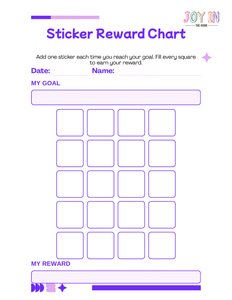
A simple grid of 10 to 20 squares, with the goal written at the top and the reward written at the bottom. Kids add a sticker to a square each time they meet the goal. When the grid is full, they earn the reward.
Best for: ages 3 and up, and almost any goal.
2. Five-Star Reward Chart for Toddlers
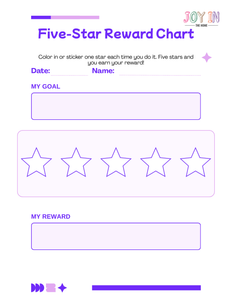
Just five stars in a row. Because it fills up quickly, toddlers can see the connection between what they did and the reward without waiting days for it.
Best for: ages 2 to 4, or any child trying a reward chart for the first time.
3. Weekly Reward Chart
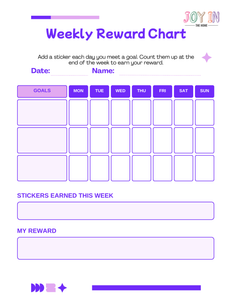
The days of the week run across the top, with one to three goals down the side. Kids earn a sticker for each goal they meet each day, and the total at the end of the week decides the reward.
Best for: school-age kids working on daily habits like brushing teeth, finishing homework, or getting ready on time.
4. Token Board
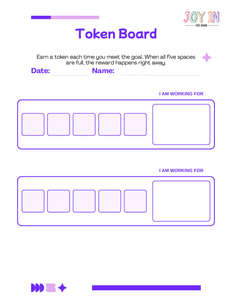
A strip with five or ten empty spaces and a box at the end showing what the child is working for. Each time they meet the goal, they earn a token, like a laminated star or small picture, that attaches with hook-and-loop tape.
When the board is full, they get the reward right away, and the tokens come off to start again.
Best for: kids who need quick, concrete feedback, including many neurodivergent kids. Token boards are also easy to take on the go.
5. Punch Card Reward Chart
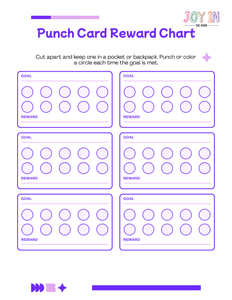
A small card, like a coffee-shop loyalty card, with circles to punch or color in. Kids can keep it in a backpack or pocket, which makes it handy for goals away from home.
Best for: kids ages 6 and up who like carrying their progress with them.
6. Color-In Reward Chart
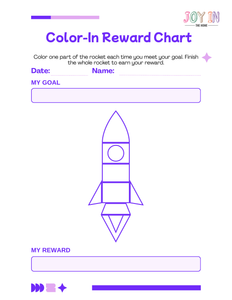
A picture split into sections, like a rainbow, a rocket, or a caterpillar. Instead of adding stickers, kids color in one section each time they meet the goal. When the whole picture is colored, they earn the reward.
Best for: kids who love to draw and color, and for the days you’ve run out of stickers.
7. Potty Training Reward Chart
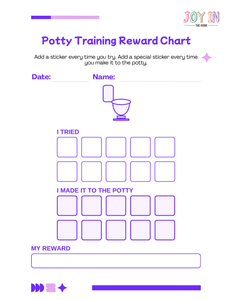
A chart with a space for each successful trip to the potty, often with a picture of a toilet or a pair of underwear at the top. Many families give one sticker for trying and a special sticker for success.
Best for: toddlers and preschoolers in the middle of potty training. Keep the reward small and immediate.
8. Bedtime Reward Chart
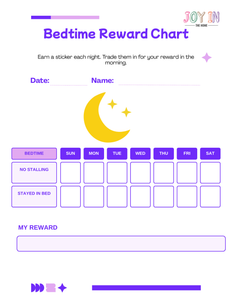
A chart built around the bedtime routine, with a space for each night of the week. Kids earn a sticker for getting through bedtime without stalling, or for staying in bed after lights out, and trade their stickers for a reward in the morning.
Best for: kids who struggle with bedtime battles or middle-of-the-night visits.
9. Reading Reward Chart
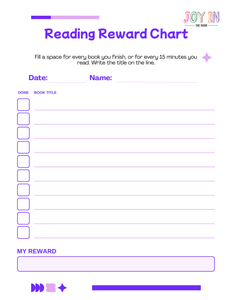
A chart that tracks reading time or books finished. Each book, or each 15 minutes of reading, fills a space, and there’s a line to write in the book title.
Best for: early readers, reluctant readers, and summer reading when there’s no school reading log.
10. Chore Reward Chart with a Reward Menu
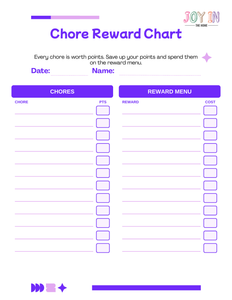
Chores go on one side, and each one is worth a set number of points. The other side is a reward menu showing what points can buy, like 10 points for picking the family movie or 25 points for a special outing.
Best for: kids ages 7 and up who like having choices about what they earn.
11. Level-Up Reward Chart for Older Kids
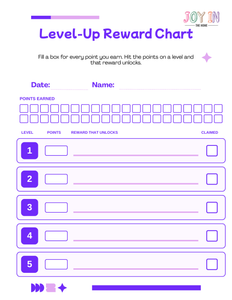
Designed like a video game, with points that lead to levels. Each level unlocks a reward, and the rewards get bigger as the levels go up.
Best for: tweens who feel too old for stickers but still like working toward something.
12. Family Team Reward Chart
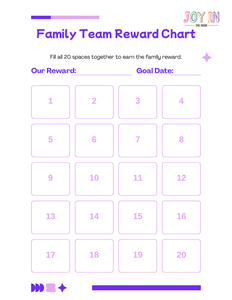
One shared chart for the whole family, working toward a shared reward like a pizza night, a trip to the pool, or a family game day. Everyone’s contributions fill the same chart.
Best for: siblings who compete with each other. A shared goal gives them a reason to work together instead.
Reward Ideas That Aren’t Toys or Treats
- Choosing what’s for dinner
- Extra story time, or a later bedtime on a weekend night
- A one-on-one outing with a parent
- Picking the family movie or game
- A trip to the park, library, or pool
- Having a friend over
- A bubble bath or a glow-stick bath
You Might Also Like:
12 Family Chore Chart Ideas for Multiple Kids (Free Printables)
When to Retire the Reward Chart
A reward chart works best as a temporary tool. Once the goal has become a habit, celebrate it, then retire the chart or move on to a new goal. Keep the praise going even after the stickers stop.
You Might Also Like:
8 Visual Daily Routine Charts for Kids (Morning to Bedtime)
FAQs (Frequently Asked Questions)
What is a chore chart reward system?
A chore chart reward system pairs a visual list of tasks with something a child earns for finishing them. Kids mark off jobs as they go, collecting stars, checks, or points. Once they hit an agreed total, they get the reward. The chart makes expectations clear and progress visible without constant reminders.
What is a good chart for rewards?
A good reward chart is simple enough that your child understands it at a glance. Limit it to three to five tasks, use pictures for pre-readers, and keep the goal close enough to stay motivating. Hang it where everyone sees it daily, like the fridge or a bedroom door.
How can I create a DIY reward chart for kids?
Grab paper or poster board and draw a grid with one row per task and one column per day. Add your child’s name at the top and the reward at the bottom. Fill squares with stickers, stamps, or marker checks. Laminate it or slip it in a sheet protector to reuse weekly.
What are some simple reward ideas for kids?
The best rewards cost little and happen soon. Try picking the dinner menu, choosing movie night, an extra bedtime story, staying up fifteen minutes later, or a trip to the park. Shared rewards work well too. Pizza night or a family game day gives everyone a reason to pitch in
